


For astrological use a gemstone must be natural. Yet synthetic stones, glass-filled rubies, dyed stones and imitations are widely sold, and many look convincing to the eye. The simplest protection for a buyer is a report from a reputed gem testing laboratory.
What a lab report tells you
- Identification: the species and variety — for example "Natural Corundum, variety Sapphire".
- Natural or synthetic: whether the stone formed in the earth or was grown in a lab.
- Treatments: heating, filling, dyeing or coating, if detected.
- Weight and measurements: carat weight and dimensions, so you can match the report to the stone.
- Photograph and report number: which you can usually verify with the lab.
Carat and ratti
Labs report weight in carats. In Jyotish, weight is traditionally discussed in ratti. Different conversions are used in the trade, so ask your seller which one they follow and make sure the report weight matches the stone you receive.
Simple checks before you buy
- Buy from a seller who hands over the report with the stone.
- Check that the weight and shape on the report match the gem.
- Be cautious of prices that seem far below the market — rare natural stones are rarely cheap.
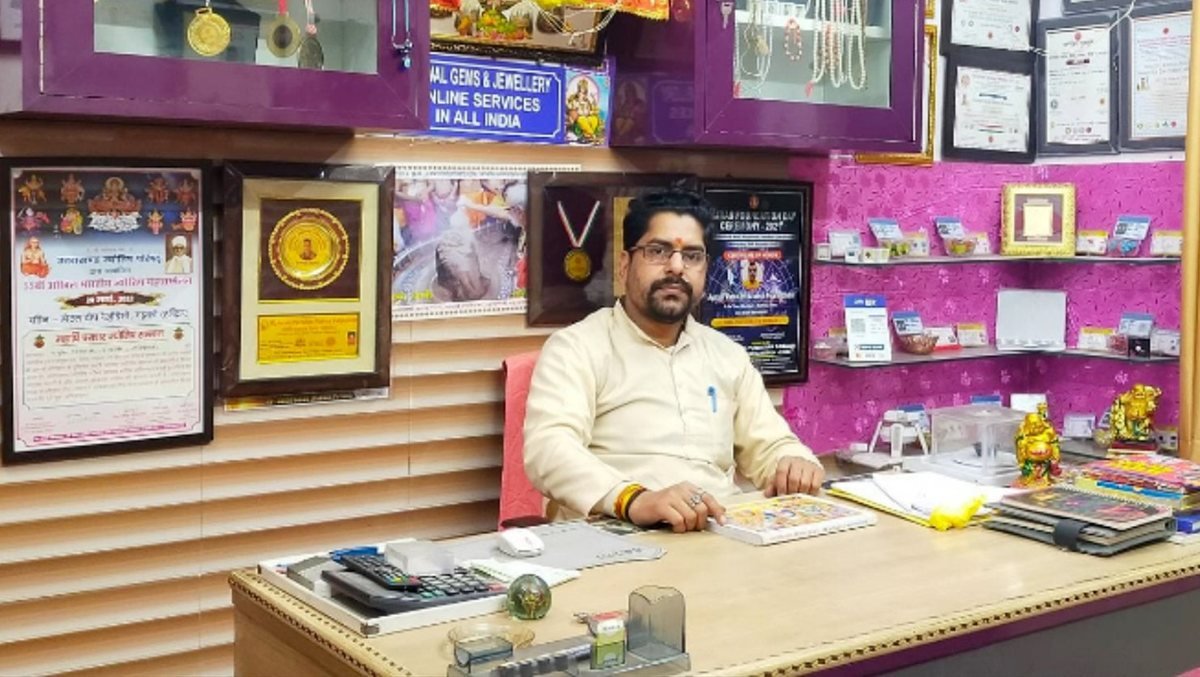
At Petwal Gems every gemstone comes with a gem testing report from a reputed lab.